Introduction/Overview
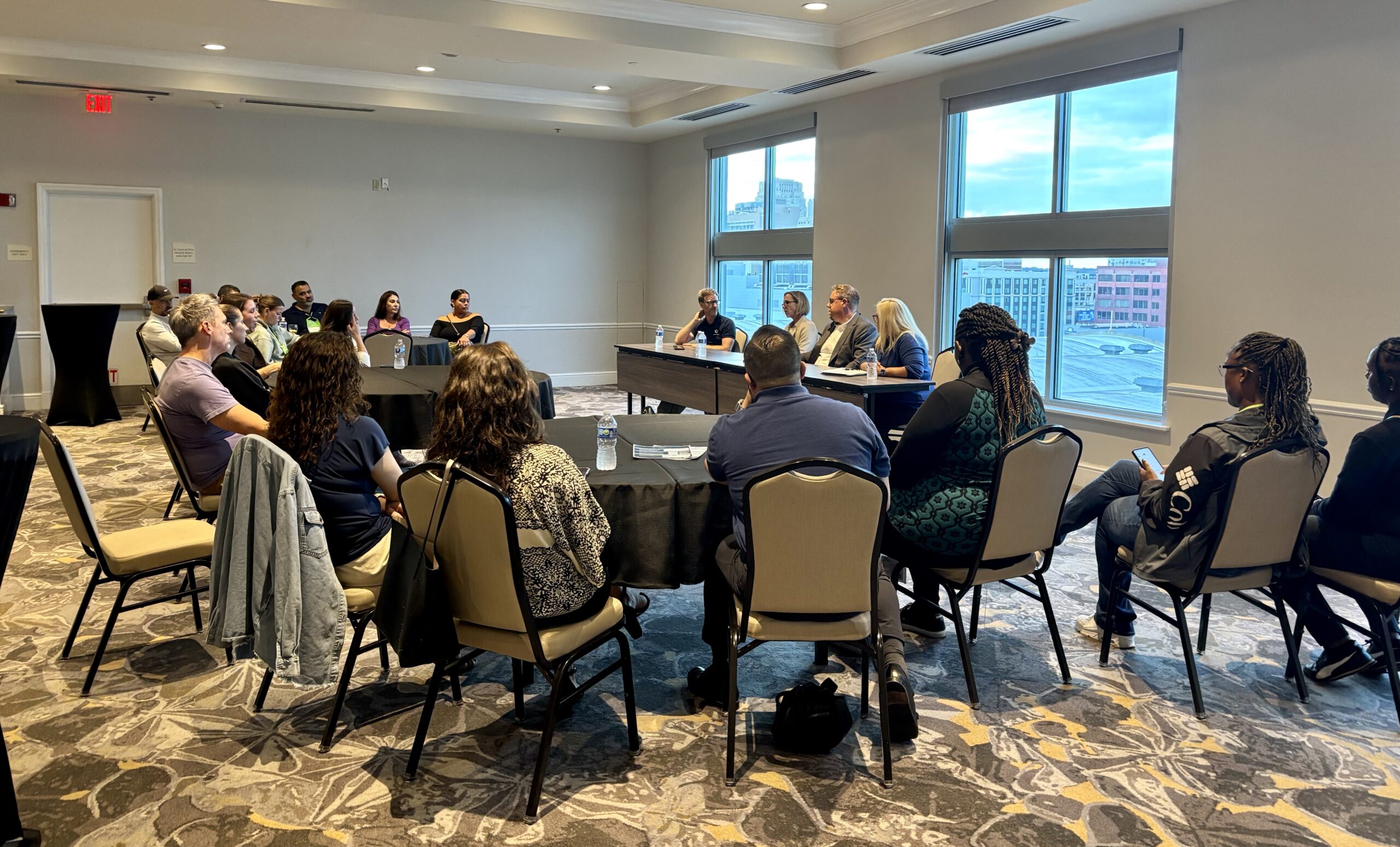
On September 30th, while in Philadelphia for the National Recreation & Parks Annual Conference, EventHub brought event professionals together for an intimate expert panel and networking opportunity. Many best practices were discussed in depth, including crisis communications, event security and access control, marketing, and sponsorship.
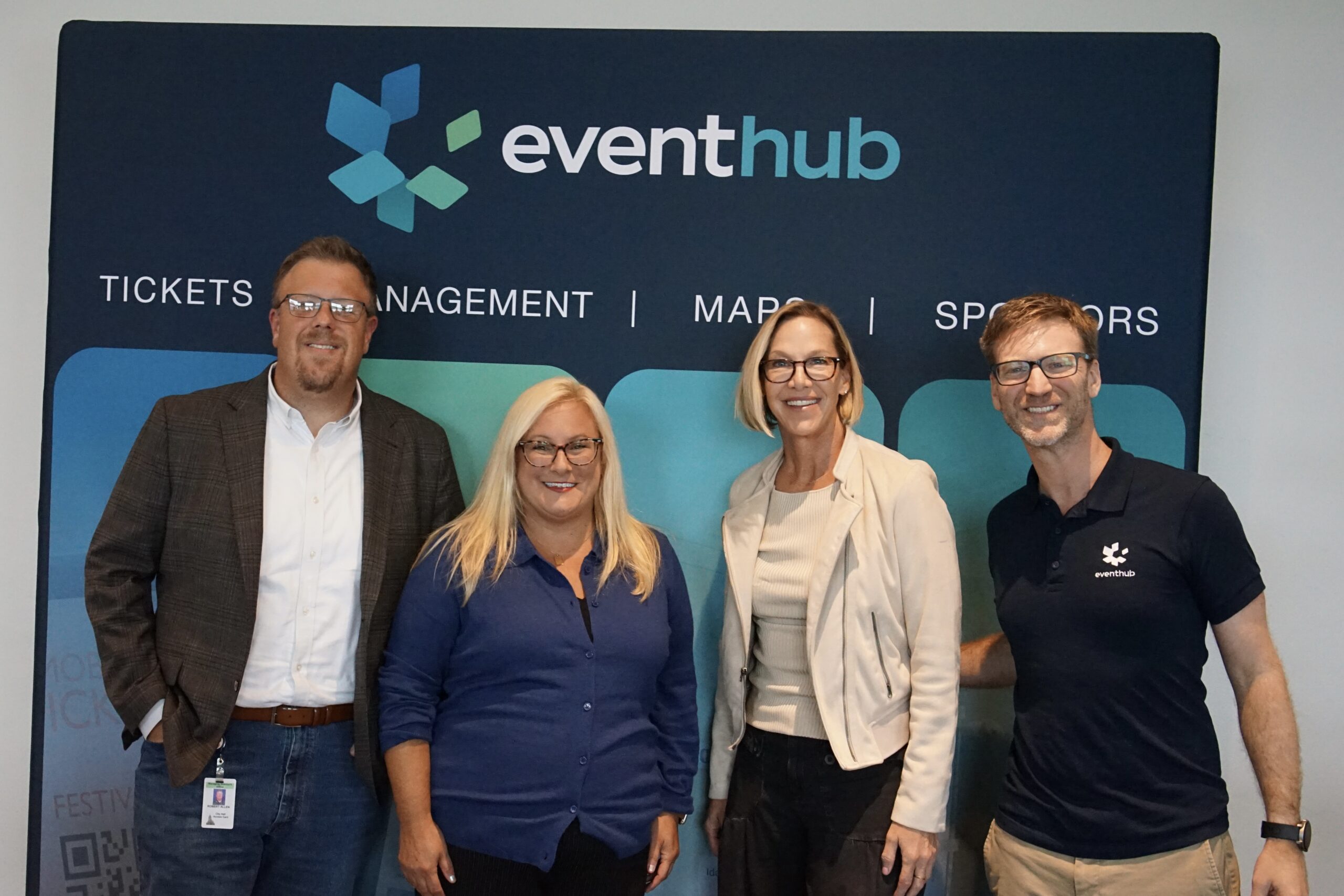
Moderated by Michael Bleau, Co-founder and CEO of EventHub, the panel featured Kathleen Titus, Owner of All Fitness Events and Race Director for the Philadelphia Marathon; Bob Allen, Deputy Director of Operations for the City of Philadelphia Office of Special Events; and Amanda Wozniak, Principal at Hoopla Marketing, Events & Public Relations. Together, they brought perspectives on mass-participation endurance events, city and open street events, ticketed festivals, and other large-scale community events. Several panelists also shared their firsthand experience using EventHub to support their events, from vendor registration and communications to invoicing and marketing.
If you missed the conversation, we’ve pulled together a few key takeaways and strategies shared by the panelists, from planning safer events and building smarter ticketing strategies to year-round marketing, sponsorships, and practical ways event teams are using AI.
Looking for an easier way to manage your next event? See how EventHub can help.
Plan for Safety Early and Prepare a Crisis Communications Plan
One of the first topics of the conversation was crisis communications. Bob explained that event organizers need a plan to communicate important information to attendees, including both emergency and non-emergency messaging. While Philadelphia uses ReadyPhila for emergency alerts, event producers can also use amplified sound and registration tools like EventHub to communicate directly with attendees.
The conversation also highlighted how knowing your expected attendance can be part of safety planning. Bob noted that in Philadelphia, events with 2,000 or more attendees require dedicated onsite EMS, while larger events may require more detailed emergency planning. Kathleen explained that the Philadelphia Marathon uses registration for its free Shakeout Run to monitor attendance, set limits based on available space, and prepare necessities like food and water.
Weather was another part of the planning process. Bob shared that the City of Philadelphia uses dedicated weather resources, while Amanda said her team frequently relies on regular weather apps or information provided by the city. The key is knowing how you’ll monitor changing conditions before they become an event-day problem.
The conversation also touched on new ways to monitor crowds during an event. Bob mentioned technology he saw at the FIFA Fan Festival that used spatial recognition to track people entering and exiting in real time, helping organizers maintain a more accurate crowd count.
A Success Story in Converting a Free Community Festival to a Paid Admission Event
Another important consideration when planning an event is whether it will be free or paid, something many municipalities are contemplating as production and insurance costs pressure the viability of sustaining community events.. Amanda talked about her experience with the Subaru Cherry Blossom Festival, which recently transitioned back to paid admission after rising costs made the free model difficult to sustain. Although organizers expected some pushback, the $15 ticket was well received, and the festival had a record year in 2025. Amanda also noted that paid admission helped attract a more engaged audience, with attendees more likely to spend with vendors, creating more value for sponsors.
Even a small ticket price can influence attendance. Both Amanda and Kathleen agreed that paying for a ticket can make attendees feel more invested in actually showing up. Kathleen saw something similar with an event that experienced a significant increase in turnout after introducing a $10 registration fee.
Free events can still benefit from registration. Bob explained that optional preregistration can help organizers estimate crowd size, communicate directly with attendees, and build a contact list. Organizers can also encourage people to register early through incentives like vendor coupons or sweepstakes.
Use Dynamic Pricing to Create Urgency
Volume-based dynamic pricing can create a stronger sense of urgency around ticket sales. Kathleen explained that instead of raising prices on predetermined dates, organizers can increase prices once a certain number of tickets or registrations are sold. As a tier begins to fill, organizers can promote the upcoming price increase, creating FOMO and encouraging attendees to purchase earlier. In Kathleen’s experience, this strategy has worked well for her events, helping marathons that previously struggled to sell out reach capacity months in advance.
However, the final price still needs to be reasonable. Michael added that if the highest tier feels too expensive, it can discourage late or walk-up sales. Kathleen recommended setting a maximum price based on revenue goals and historical sales patterns, then building the pricing tiers around that target.
Think Ahead: Start Marketing the Next Event Early
The panelists emphasized that marketing for major events often begins well before the current event ends. Kathleen explained that the Philadelphia Marathon runs on a year-round cycle, with her team preparing for two event years at once. While finalizing the current Marathon Weekend, they are already building registration, marketing, and social media for the following year.
Registration for the following year launches as soon as the current Marathon Weekend begins, allowing the team to start promoting the next event while excitement and engagement are still high.
Finding the Right Sponsorship Support
Having someone dedicated to sponsorship sales can make a major difference for event organizers. Kathleen shared that the Philadelphia Marathon has a partnership professional focused specifically on selling sponsorships, while Michael noted that many municipalities and event teams may not have someone dedicated to that role. For teams without that specific expertise in-house, working with an outside sponsorship professional can help.
However, finding the right person is important. Michael recommended doing your due diligence before hiring outside sponsorship support, including asking for at least two client introductions, finding out how much sponsorship revenue they have generated, and making sure their experience matches the size and type of your event. The panel also mentioned contingency-based compensation as an option, where compensation is based on the sponsorship revenue brought in.
Use AI to Work More Efficiently and Support Your Team
The speakers shared several ways they are using AI to save time and support their day-to-day work. Kathleen has created AI “employees” using Claude and ChatGPT, assigning them specific roles, job descriptions, and tones. She spends about seven to ten days training each one and uses them for tasks including email, social media marketing, advertising, and graphics before a person reviews the work.
AI is also being used beyond content creation. Kathleen shared that she uses drone footage and AI to estimate spectator counts along the marathon route. Amanda and her team use ChatGPT for copywriting and social media, generating caption and headline options that they can then edit to match their own voice. They also experimented with AI-generated graphics but returned to real photography after receiving feedback that audiences preferred more authentic visuals.
Whether you joined us in Philadelphia or missed the conversation, these takeaways offer practical ideas to keep in mind as you plan your next event. From safety and ticketing to marketing, sponsorships, and AI, there’s always something new to learn and apply as events continue to evolve.
A big thank you to our panelists for sharing their experience and insights, and to everyone who joined us for the panel and industry mixer. We appreciate everyone who helped make Trading Secrets such a great conversation.
Ready to plan your next event? See how EventHub can help.